Etihad becomes Official Partner of McLaren F1 and McLaren United Autosports WEC Hypercar
Three developments in the last week have reshaped the Formula 2 silly season. Here is what moved and why it matters for the F1 pipeline.

Vincenzo Landino
Partner + Managing Director
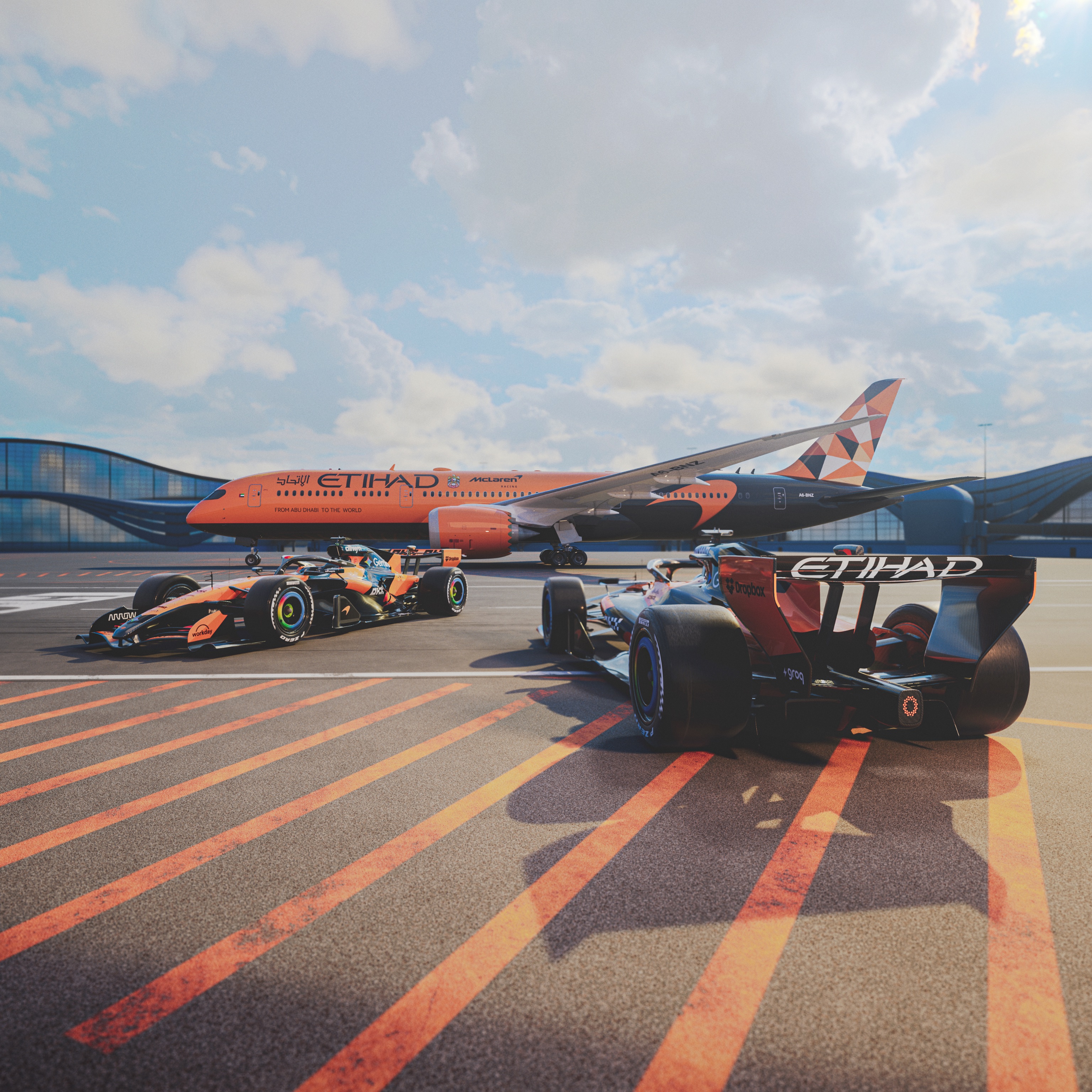
Etihad has become an Official Partner of the McLaren Mastercard Formula 1 Team and the McLaren United Autosports WEC Hypercar Team from 2026.
Zak Brown continues to be the commercial king.
Vincenzo Landino
Partner + Managing Director
U.S.-based Formula 1 business strategist and first generation Italian-American entrepreneur. Since 2014, Vincenzo has focused on humanizing brands through content strategy and production, working with clients including NASCAR, Las Vegas Grand Prix, Snapdragon, T-Mobile for Business, SAP, Oracle, Adobe, and more. He turned Business of Speed into a trusted voice in the motorsport sponsorship and partnership ecosystem.
Related Reading
Kimi Antonelli and the Italy That Raised Him
Seventy-three years after Alberto Ascari's last title, a Mercedes driver from Bologna has given Ferrari country another allegiance.
Why Christian Horner Is in No Rush to Return to Formula 1
Christian Horner told me he has no team in mind and no clear picture of his next chapter. Competition still drives him; for now, the open question is part of the appeal.
Apple Sells F1 Race Integrations to American Express and Ford in Its First Season, Now Pitching 2027
Apple's VP of Ads says F1 sponsors on Apple TV beat U.S. connected TV benchmarks on brand lift, and season two is now for sale.